
🔑 Key Takeaways
- A rug pull is an exit scam where crypto developers suddenly drain project liquidity and disappear, leaving investors with worthless tokens
- 8% of Ethereum tokens and 12% of Binance Smart Chain tokens are programmed to steal from investors
- Red flags include anonymous teams, missing audits, unlocked liquidity, unrealistic promises, and suspicious token distribution
- Always verify team identity, check for security audits, test token sellability, and research on-chain metrics before investing
- Never invest more than you can afford to lose in new crypto projects, especially meme coins
What Is a Rug Pull in Crypto and How It Destroys Investor Portfolios
A rug pull in crypto is a deceptive exit scam where project developers suddenly withdraw all liquidity or funds, leaving investors holding worthless tokens. I’ll be direct: this isn’t some theoretical risk. It’s happening right now, at scale.
The scam works like this. Developers launch a new token with heavy promotion, promising unrealistic returns. They create liquidity pools to attract investors, and once enough money flows in, they drain everything and vanish.
The scale is staggering. Eight percent of all Ethereum-based ERC-20 tokens are programmed to pull the rug, and 12% of Binance Smart Chain tokens are designed as rug pulls from day one.
How Scammers Execute Rug Pulls in Crypto
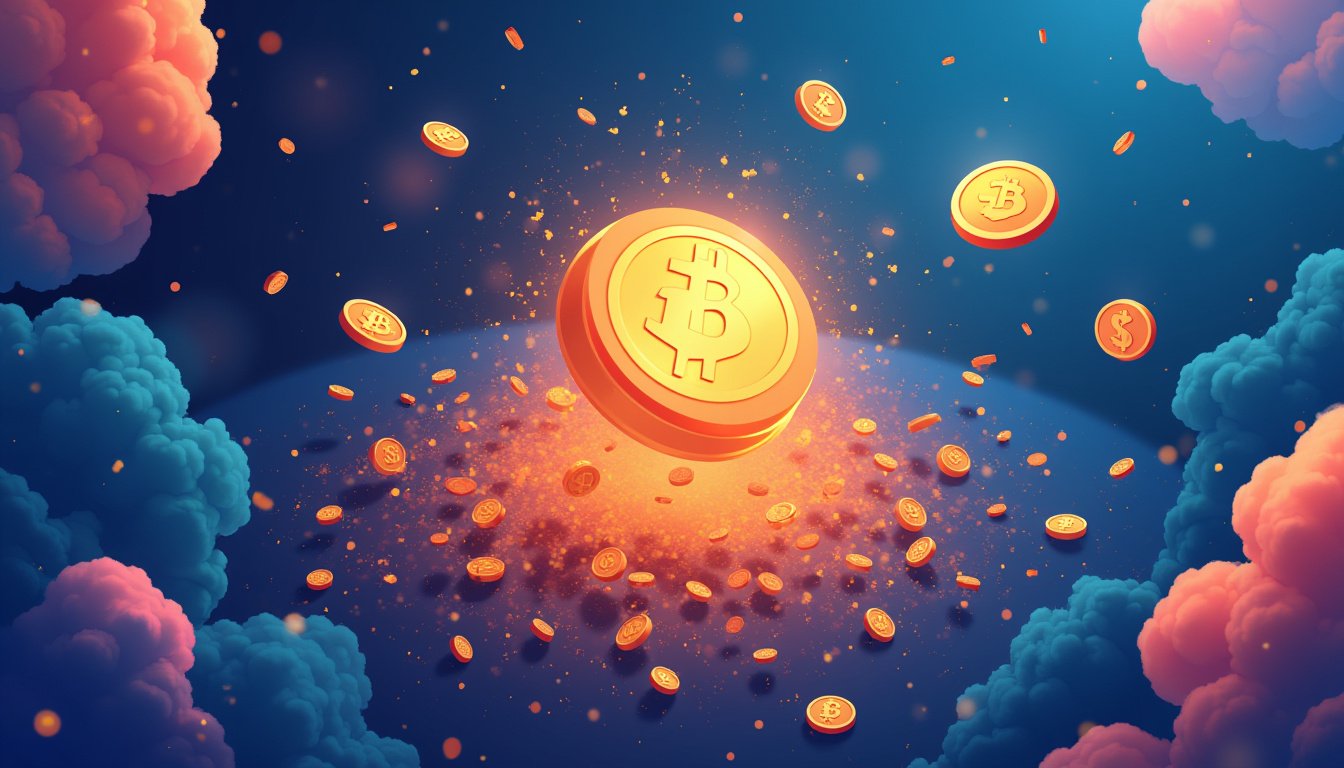
There are two main methods scammers use to pull the rug. First, they programme malicious code into the token’s smart contract. Second, they promote the token heavily then liquidate their holdings.
Programmed rug pulls are especially insidious. Developers can hide modifiers in the code that prevent you from selling, charge fees as high as 100%, limit transaction amounts to zero, or directly transfer your tokens to themselves.
Promotional rug pulls rely on hype. They build community excitement, drive up the price, then dump their massive holdings, crashing the value instantly. Investors left holding the bag can’t exit because liquidity evaporates.
Five Red Flags That Signal a Potential Rug Pull
Learning to spot warning signs is your first line of defence when trying to avoid rug pulls crypto scams.
- Anonymous or sketchy teams: If developers hide their identities or have no track record, accountability disappears. Research team members on LinkedIn and social media.
- Missing security audits: Legitimate projects undergo third-party code audits. If there’s no audit from a reputable firm, the code could contain hidden traps.
- Unlocked liquidity: Without liquidity locks, developers can withdraw all funds instantly. Check whether liquidity is locked and for how long.
- Unrealistic promises: Guaranteed returns, overly ambitious roadmaps, and too-good-to-be-true yields are classic manipulation tactics.
- Suspicious token distribution: If a small number of wallets hold most of the tokens, those holders (usually the devs) can dump anytime, crashing the price.
Practical Steps to Protect Yourself and Avoid Rug Pulls
I’m going to give you the exact checklist I use before touching any new token. Follow this and you’ll filter out 90% of scams.
Step one: verify the team. Find out who’s behind the project. Look for real names, verified social profiles, and previous successful projects. Anonymous teams get an automatic red flag.
Step two: check for audits. Visit the project’s website and confirm they’ve had a third-party security audit. Reputable auditors include firms that specialise in smart contract verification. No audit means no investment.
Step three: test token sellability. Buy a tiny amount and immediately try to sell it. If the code blocks you from selling, run away. That’s a honeypot token designed so only creators can exit.
Step four: analyse on-chain metrics. Use tools like GeckoTerminal to check token distribution, liquidity depth, and holder concentration. Look for red flags in the data.
Step five: review the whitepaper. Read it completely. Vague technical details, unrealistic roadmaps, or missing information are warning signs.
Comparing Safe Versus Risky Crypto Projects
| Feature | Legitimate Project | Potential Rug Pull |
|---|---|---|
| Team Identity | Named, verified team with LinkedIn profiles and track record | Anonymous or pseudonymous developers with no history |
| Security Audit | Third-party audit from reputable firm, publicly available | No audit or audit from unknown firm |
| Liquidity Lock | Liquidity locked for 12+ months, verifiable on-chain | Liquidity unlocked or lock expires soon |
| Token Distribution | Balanced distribution across multiple holders | 80%+ held by top 10 wallets (usually devs) |
| Promises | Realistic roadmap, transparent about risks | Guaranteed returns, vague details, hype-driven marketing |
| Sellability | Can buy and sell freely without restrictions | Code prevents selling or charges extreme fees |
Why Beginners Are the Primary Targets
Scammers specifically target beginners because we don’t yet know what to look for. We see a token trending on social media, read some hype, and think we’ve found the next big thing.
The reality is brutal. Most new tokens fail, and a significant percentage are intentional scams. Meme coins are especially dangerous because they rely entirely on hype with no underlying utility.
Here’s my honest take: assume you’ll get rug pulled as a worst-case scenario and manage your risk accordingly. Never invest more than you can afford to lose in any single new project.
Using Tools and Platforms to Reduce Risk
You don’t have to be a blockchain expert to protect yourself. Several tools make verification easier.
- GeckoTerminal: Highlights issues with tokens, shows distribution data, and reveals holder concentration.
- Forta Firewall: Provides real-time threat detection by screening transactions and flagging suspicious activities before they execute.
- Reputable exchanges: Trading on regulated platforms that only list audited projects significantly reduces your risk compared to decentralised exchanges.
- Smart contract explorers: Use Etherscan or BscScan to examine token code directly and verify audit reports.
The Bottom Line on Rug Pull in Crypto Protection
Rug pulls remain one of the biggest threats to crypto investors in 2025 and beyond. But they’re largely avoidable if you know what to look for.
The five red flags I mentioned—anonymous teams, missing audits, unlocked liquidity, unrealistic promises, and suspicious tokenomics—catch most scams before you lose money.
Do your due diligence. Verify the team, check audits, test sellability, and analyse on-chain data. Trade on reputable platforms. Never chase hype. And remember: if something feels rushed or too good to be true, it probably is.
By staying vigilant and following this framework, you can confidently navigate crypto investing whilst learning how to protect yourself and avoid rug pulls crypto scams effectively.
Conclusion: Your Action Plan for Avoiding Rug Pulls
You now have the knowledge to identify and avoid rug pulls in crypto. The framework is simple: research the team, verify audits, check liquidity locks, analyse token distribution, and test sellability.
Start applying this checklist to every new token you consider. It takes 15 minutes and could save you thousands. Most importantly, only invest what you can afford to lose, especially in new projects.
The crypto space rewards informed investors and punishes the careless. By following these steps, you’re no longer careless—you’re equipped to protect yourself and avoid rug pulls crypto scams with confidence.
Frequently Asked Questions
What exactly is a rug pull in crypto?
A rug pull is an exit scam where crypto developers suddenly drain project liquidity or funds and disappear, leaving investors with worthless tokens. It’s called a ‘rug pull’ because developers literally pull the rug out from under investors.
How common are rug pulls?
Very common. Eight percent of all Ethereum ERC-20 tokens are programmed to pull the rug, and 12% of Binance Smart Chain BEP-20 tokens are designed as rug pulls. Thousands occur annually.
Can I always spot a rug pull before investing?
Most rug pulls can be identified by checking for red flags: anonymous teams, missing audits, unlocked liquidity, unrealistic promises, and suspicious token distribution. However, sophisticated scams occasionally slip through, which is why you should never invest more than you can afford to lose.
What’s the best tool to check if a token is safe?
Use multiple tools together: GeckoTerminal for token analysis, smart contract explorers like Etherscan to verify code, and check for third-party audit reports. No single tool is foolproof, so cross-reference multiple sources.
Should I avoid all new tokens?
Not necessarily, but approach them with extreme caution. Only invest in new tokens that have verified teams, third-party audits, locked liquidity, and clear utility. And never invest more than you can afford to lose.



The statistic about 12% of Binance Smart Chain tokens being designed as rug pulls from day one genuinely stopped me in my tracks — I knew it was bad but not that bad. The five red flag checklist is practical gold, especially the step about buying a tiny amount and immediately trying to sell it to test for honeypot code. I got burned on a meme coin last year precisely because I skipped that step. The advice on checking liquidity locks and using GeckoTerminal for on-chain metrics fills a gap I haven’t seen explained this clearly elsewhere. Sharing this with my younger brother who just got into crypto last month. This is exactly what he needs to read before touching anything outside Bitcoin or Ethereum.