

🔑 Key Takeaways
- Hot wallets are great for quick trades but risky online.
- Cold wallets offer top security for long-term holdings.
- Use both: hot for small amounts, cold for the rest.
- Hardware wallets like Ledger beat software for safety.
- In 2026, cold storage is essential if you hold over £500.
Hot Wallet vs Cold Wallet: The Basics You Need to Know

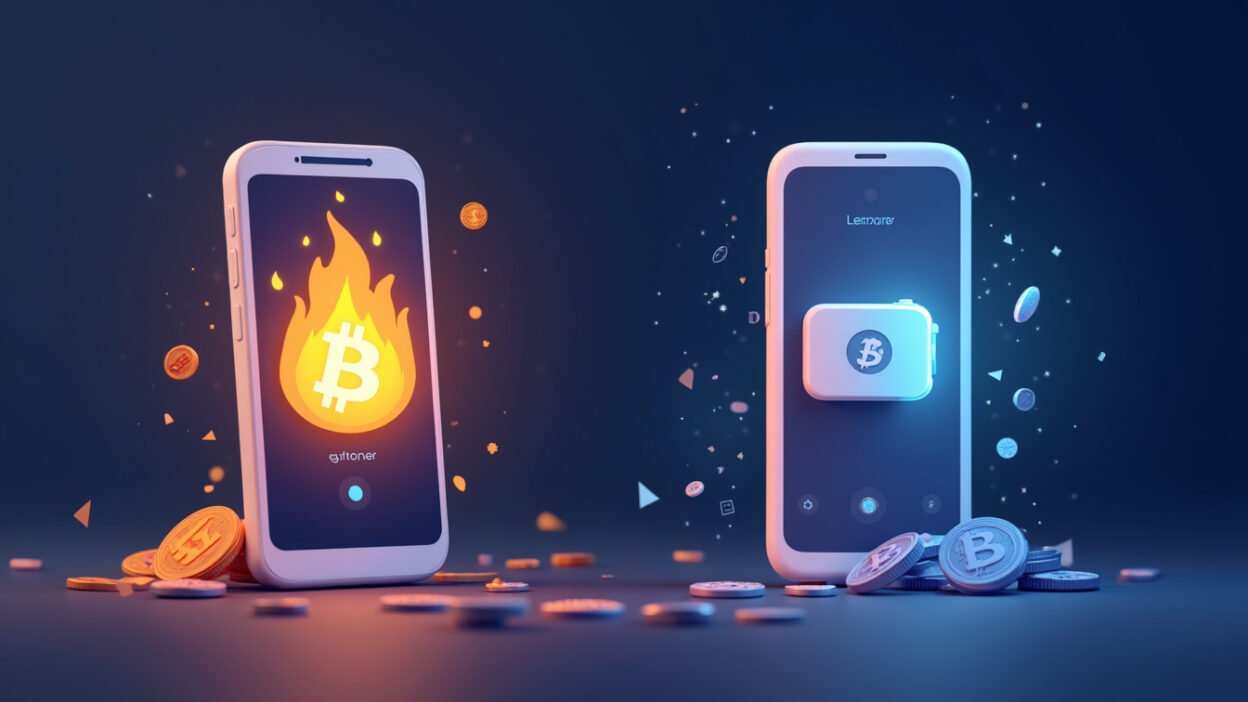
Hot wallet vs cold wallet is the first thing every beginner asks when diving into crypto. I’ve been there, staring at my screen wondering where to stash my first Bitcoin buy. Hot wallets are like your everyday debit card app—always online, super handy for quick spends. Cold wallets? Think of them as a safe buried in your backyard—offline and tough to crack.
Software wallets make up hot ones, running on your phone or laptop. They’re free and let you trade in seconds. But that internet connection leaves them open to hackers and scams.
Hardware wallets are the kings of cold storage. They keep your private keys offline, only connecting when you plug them in to sign a deal. No online threats can touch them remotely.
Key Differences: Hot Wallet vs Cold Wallet Breakdown
The main difference hot cold wallet crypto boils down to connectivity. Hot stays plugged in for speed; cold stays offline for safety. I’ve lost sleep over hot wallet hacks in the news—$2.1 billion gone in 2025 alone.
Hot suits daily trades or DeFi plays on Uniswap. Cold is for hodling big stacks you won’t touch for years. Beginners often start with hot for learning, then shift to cold as stakes rise.
Recovery works the same: both use a seed phrase. Back that up on paper, not digitally, or you’re toast if the device dies.
Hot vs Cold Wallet Comparison Table
| Hot Wallet | Cold Wallet | |
|---|---|---|
| Use Case | Frequent trades, DeFi, small amounts (<£500) | Long-term storage, large holdings (>£500) |
| Connectivity | Always online | Offline (hardware device) |
| Security | 60-80% (vulnerable to hacks, phishing) | 99%+ (safe from online attacks) |
| Convenience | Instant access, seconds to transact | 2-5 minutes to sign and send |
| Cost | Free (MetaMask, Trust Wallet) | £100-£150 (Ledger, Trezor, D’CENT) |
| Examples | MetaMask, Coinbase Wallet, Phantom | Ledger Nano X, Trezor, D’CENT Biometric |
Why Hot Wallets Feel Easy But Bite Back
I’ve used hot wallets like MetaMask for years on my browser. They’re brilliant for swapping tokens or checking prices on the go. Download, connect to an exchange, and you’re trading Ethereum in under a minute.
But here’s the kick: they’re always exposed. Malware on your laptop, a phishing email, or a dodgy dApp—boom, keys stolen. Exchanges got hit hard last year; don’t leave stacks there either.
For beginners, limit hot wallets to play money. I cap mine at 5% of my portfolio. The rest? Locked away safe.
Cold Wallets: Your Offline Fortress in 2026
Cold wallets, or hardware wallets, changed my game. Plug in a USB like Ledger Nano X, confirm on the screen, and your keys never touch the net. Supports 5,500+ coins, Bluetooth for mobile ease.
D’CENT Biometric at £139 adds fingerprint scan and scam alerts. Perfect for newbies scared of buttons. Trezor keeps it simple and open-source.
Downside? Not seamless for daily trades. But for wealth building, nothing beats offline storage. If you’re holding months or years, this is non-negotiable.
Hot Wallet vs Cold Wallet: Pros, Cons, and Real Talk
- Hot Pros: Free, fast, dApp-friendly for staking or NFTs.
- Hot Cons: Hack magnet; only for tiny amounts.
- Cold Pros: Ironclad security; peace of mind for big crypto.
- Cold Cons: Costs upfront; slower for impulse buys.
Security scores say it all: hot at 60-80%, cold near 100%. I’ve shifted 75% of my £100k example portfolio to cold. Hot gets 5% for action.
Warm wallets on exchanges fit the middle—quick but still risky. Rotate weekly to cold if not trading.
When to Pick Hot Wallet vs Cold Wallet
New to crypto? Start hot for learning: buy £100 Bitcoin, send to friends. Graduate to cold when you hit £500 or plan to hold.
Active trader? Hot for dips, but sweep profits to cold storage fast. DeFi farmer? Hot for liquidity pools, cold for yields earned.
My rule: can’t afford to lose it? It’s cold. Works every time.
Best Setup: Combine Hot and Cold for 2026 Wins
Don’t choose—use both. Hot for 5-10% daily needs, cold for 90% hodl. Example: £5k hot on Trust Wallet, £75k cold on Ledger.
Seed phrases rule them all. Write yours on metal plates, store in fireproof spots. Test recoveries yearly.
In 2026, with quantum threats looming, cold hot cold storage combos keep you ahead.
Final Thoughts on Hot Wallet vs Cold Wallet
I’ve tested them all, and cold wins for serious money. But hot keeps life simple for small moves. Scale up smart: more crypto means more cold.
Your portfolio’s safety isn’t luck—it’s choice. Grab a hardware wallet today and sleep better tonight. That’s hot wallet vs cold wallet sorted for good.
Frequently Asked Questions
What is the main difference hot cold wallet crypto?
Hot wallets are online software for quick trades; cold are offline hardware for secure long-term storage.
Are hot wallets safe for beginners?
Only for tiny amounts under £500. Use them to learn, but move bigger buys to cold fast.
Best cold wallet for 2026 beginners?
Ledger Nano X or D’CENT Biometric—affordable, user-friendly, support thousands of coins.
Can I use hot and cold wallets together?
Yes, that’s smartest: hot for daily 5%, cold for 95% holdings.
How much does a good hardware wallet cost?
£100-£150. Worth every penny for peace of mind.